
The philosophy of Unagi Kitaya in Ise — hashi-yaki, binchotan charcoal and our sauce Our Philosophy
Hashi-yaki is a method of grilling eel without skewers. Instead of pinning the fish with metal spits, the cook turns it over the charcoal using nothing but a pair of long metal chopsticks. Left unpinned, the flesh never tightens: the skin turns crisp while the meat stays soft. Since every eel differs in thickness and in fat, the value of the method is that heat and timing can be adjusted to each one, in the moment. Kitaya has grilled this way since its founding in 1910.
Maximizing the Flavor of Eel
We cherish our commitment to maximize and let you enjoy the deliciousness of eel.
Here are our four commitments to always please our customers.

Origin & Preparation
We select thick and voluminous eels from Isshiki, Mikawa, raised in the clear waters of the Yahagi River.
Furthermore, we cut the skin on the back of the eel when grilling to remove any odor and ensure it grills flat and beautifully.
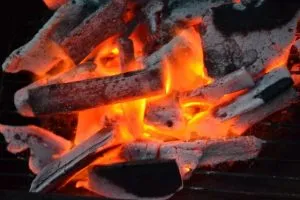
Charcoal Grilling
We use only Binchotan charcoal. Its consistent heat ensures the eel is grilled fluffy and delicious.
The eel is first grilled white (shirayaki) and then grilled again with sauce for a fragrant finish.

Rice
We use locally grown Ise rice.
Cooked with exquisite water levels and timing honed over many years, ensuring the perfect texture to mix with the eel and sauce.
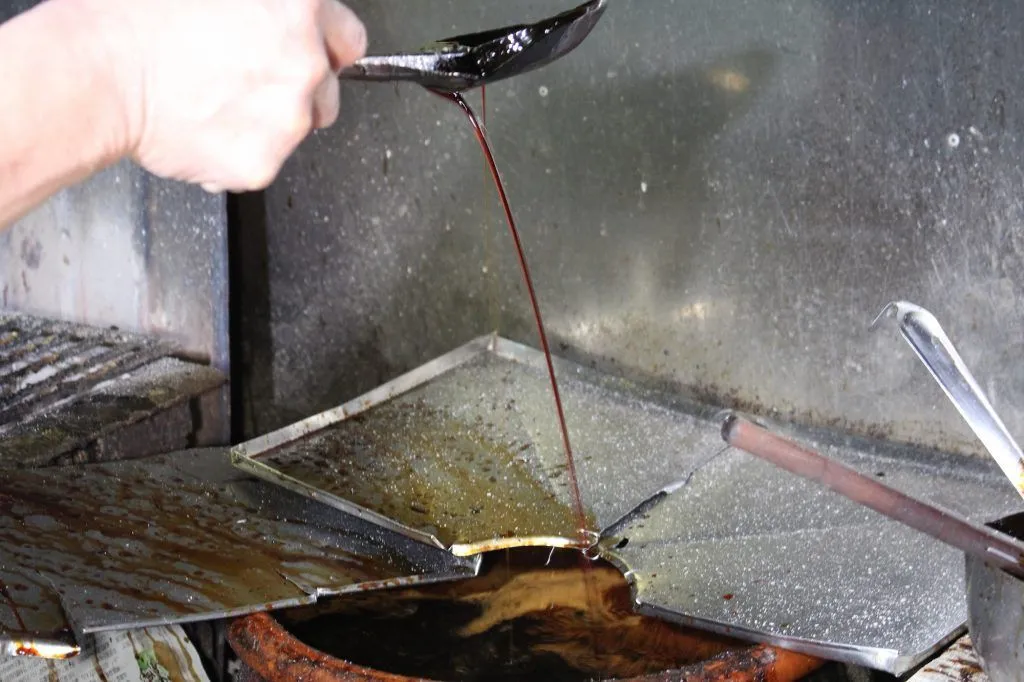
Secret Sauce
Our secret sauce is made by simmering additive-free Tamari soy sauce and Mirin.
We create three types of sauces based on this blend to perfectly complement the eel.
Media Coverage
Featured on TV as "The Craftsman Grilling Exquisite Eel: The Traditional Taste of Ise Mabushi".