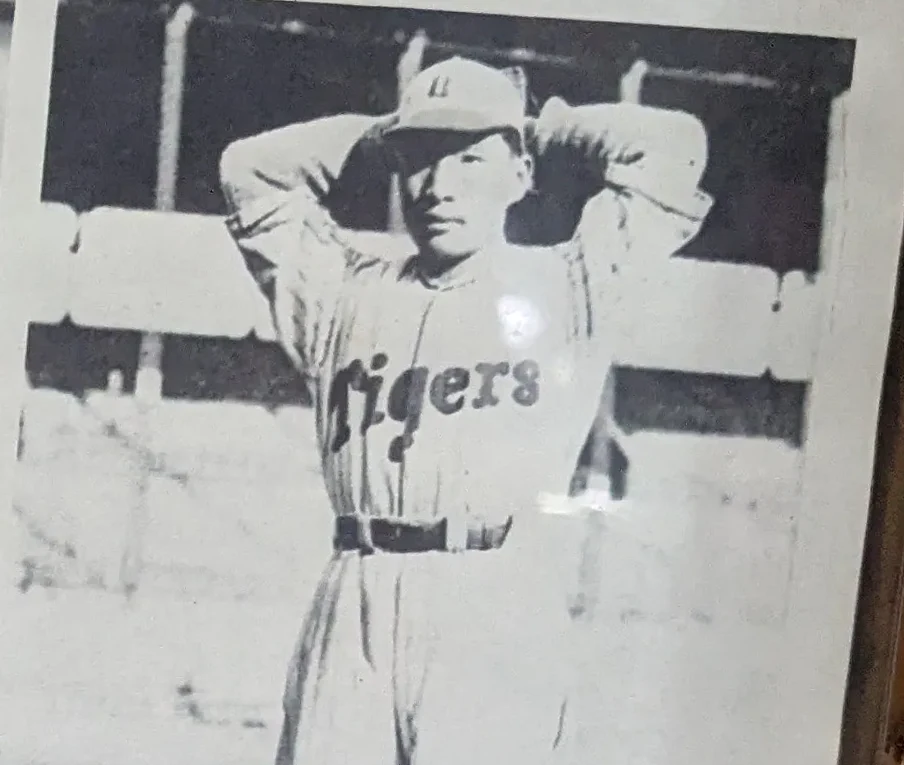
Yukio Nishimura
This shop is the family home of one of the defining pitchers
of Japanese baseball before the war —
and of the rivalry between the Tigers and the Giants.
A pitcher born in an eel shop
Honmachi, the town before the gate of the Outer Shrine. This was the Nishimura family home, back when Kitaya still dealt in fish.
He left for Osaka and took the mound in the earliest years of professional baseball in Japan — from a shrine town in Ise to the centre of the country's game. The starting point was the room where eel is grilled today.
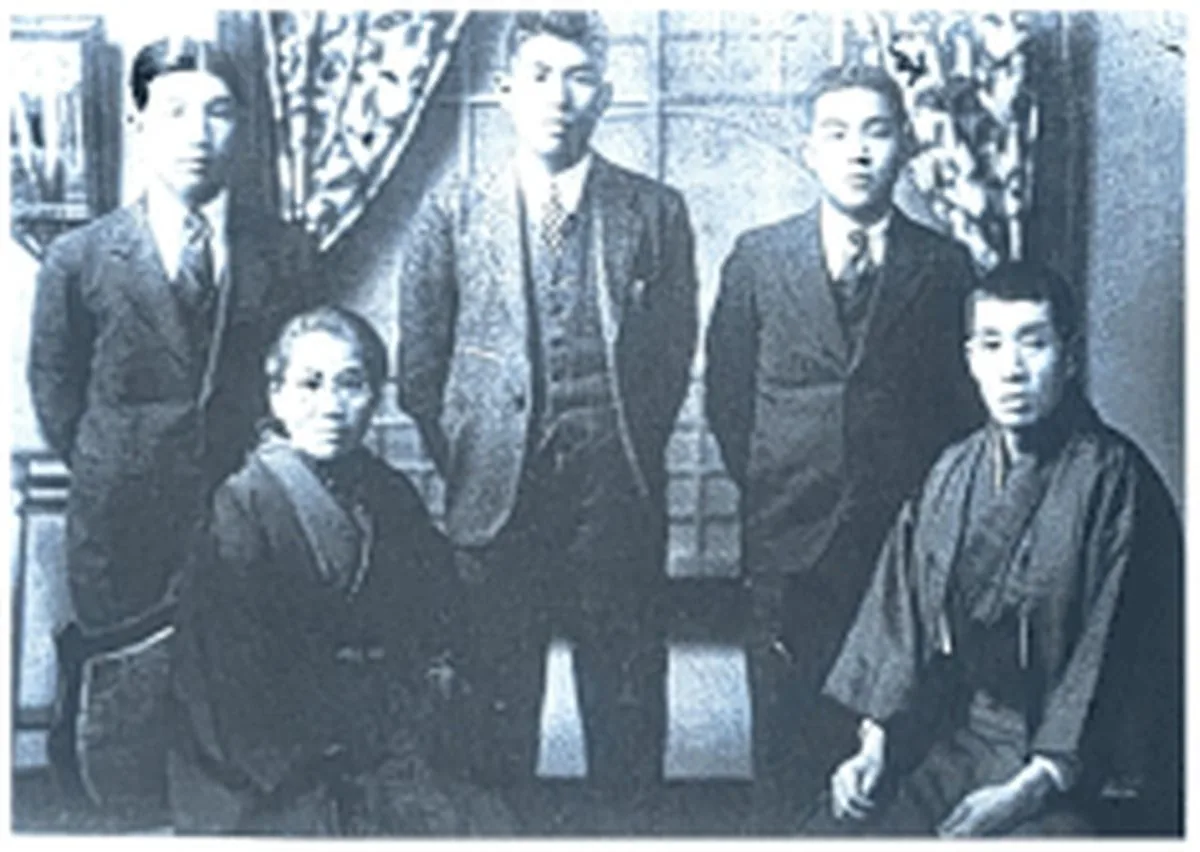
Three brothers of this house
Saikichi and Naka had three sons — Konosuke, Yukio and Hisao. Yukio was the second.
It was Hisao, the youngest, who carried on the shop. His son is Takaaki, the third-generation owner grilling eel here today. The pitcher and the eel cook come from the same house.
A life
| Born | Honmachi, Ise City, Mie — at Unagi Kitaya |
|---|---|
| 1937 | Joins the Osaka Tigers (now the Hanshin Tigers)Pitches as the club's ace |
| 1937 & 1938 | Back-to-back championshipsBeating the Giants of Eiji Sawamura |
| 1939 | Leaves the active rosterThree seasons in all |
| 1940 | Moves to Manchuria with his familyShinkyo, later Dairen |
| March 1944 | Called up at DairenTo the Philippines by way of Taiwan |
| 3 April 1945 | Killed at Batangas, in the PhilippinesAged 34 |
| 1949 | Memorial game at Yamada StadiumGiants v Osaka Tigers, for Nishimura and Sawamura |
| 1975 | A bust unveiled outside the Ise municipal stadium30 March. His family came from Hawaii |
| 1977 | Inducted into the Baseball Hall of FamePlaque unveiled at Jingu Stadium, 26 July |
Three seasons only — and yet no account of pre-war Japanese baseball leaves his name out.

Nothing left open
A heavy fastball, and with it a sharp shoot and a curve placed with unusual control — a delivery that left a batter nothing to work with.
His years were few, but he stands among the defining pitchers of the pre-war game, and he was hardest of all on the Giants.
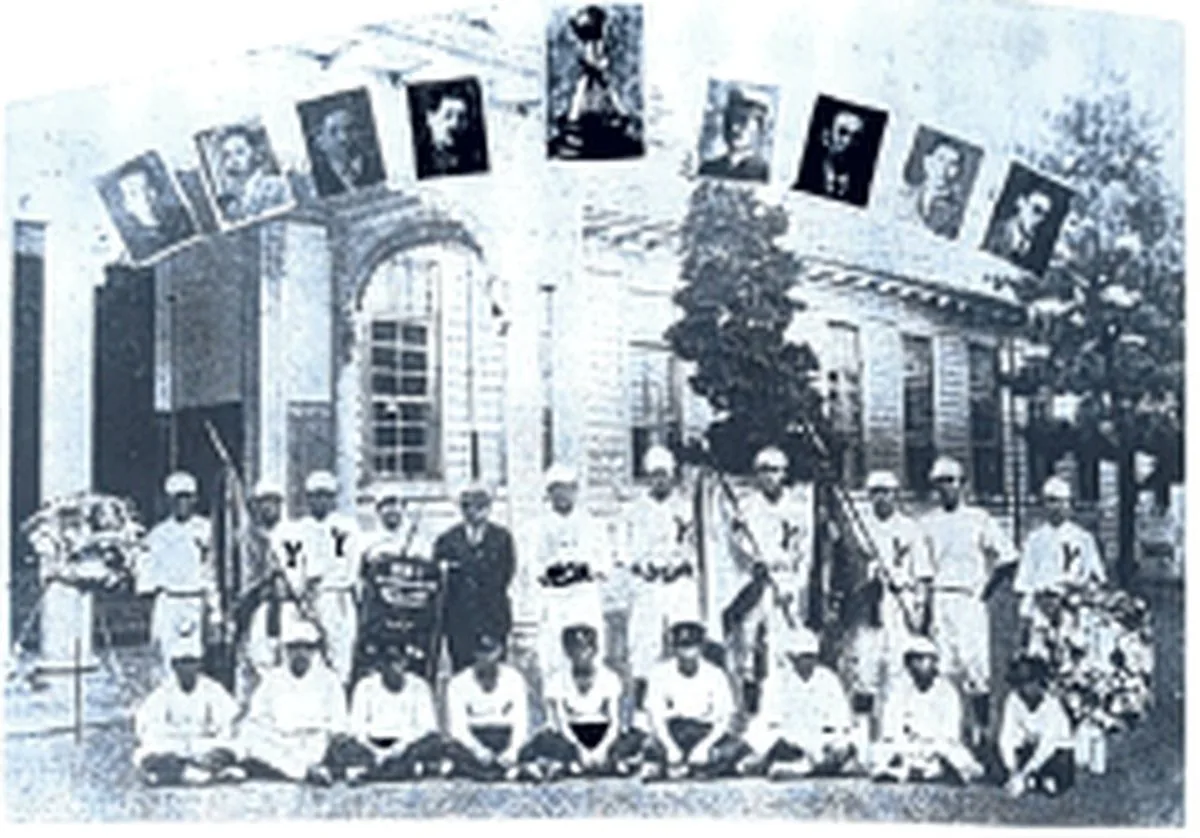
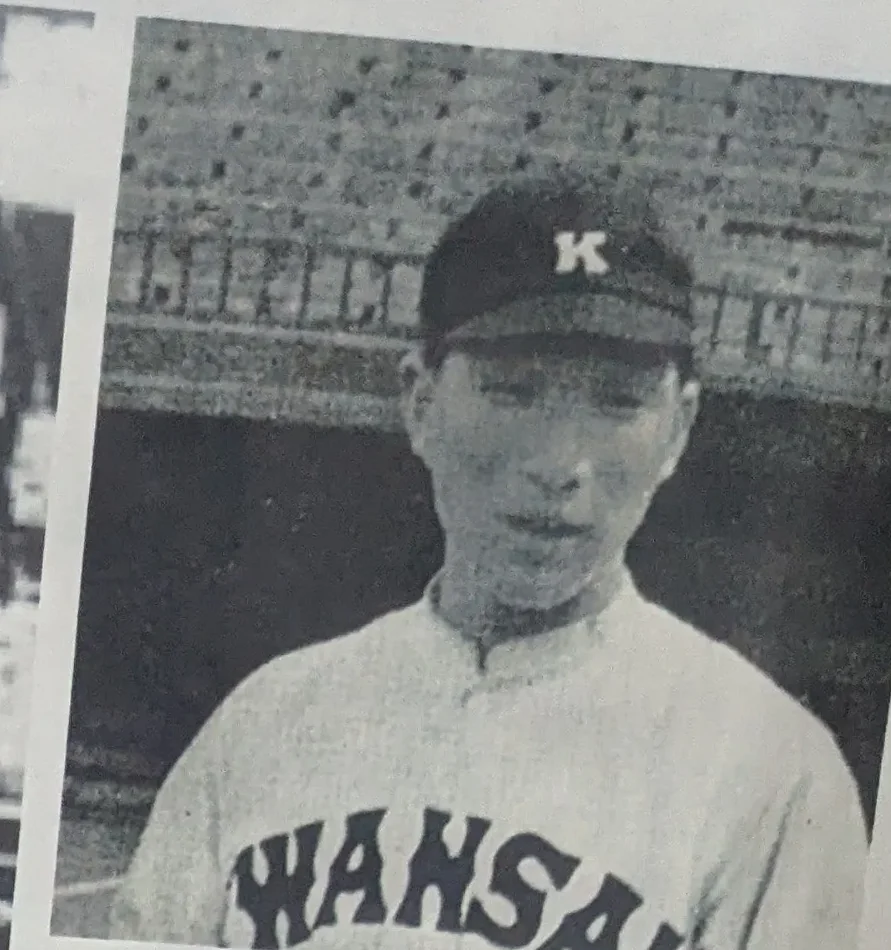
Photographs kept by the family
Twenty-odd years, after he left Ise: a middle-school team, a university captain, the ace of the Tigers — and, always alongside the baseball, his family. Two of these hang on the wall of the shop.
From Ise to Osaka
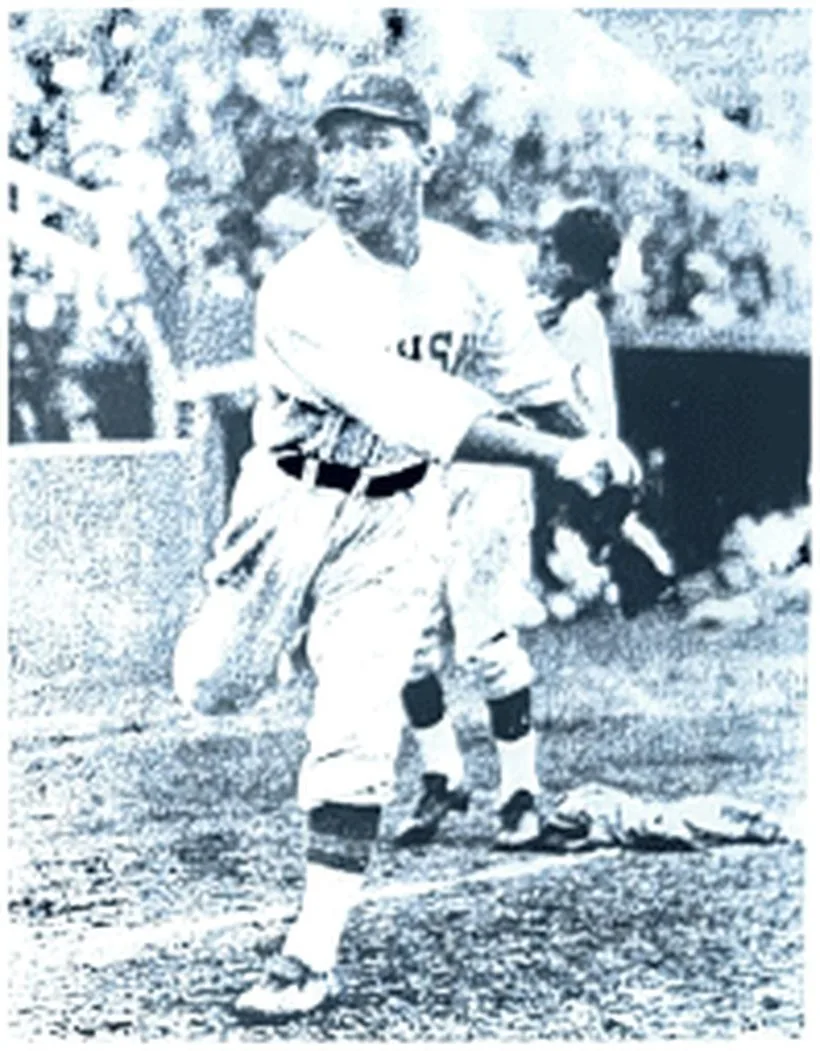
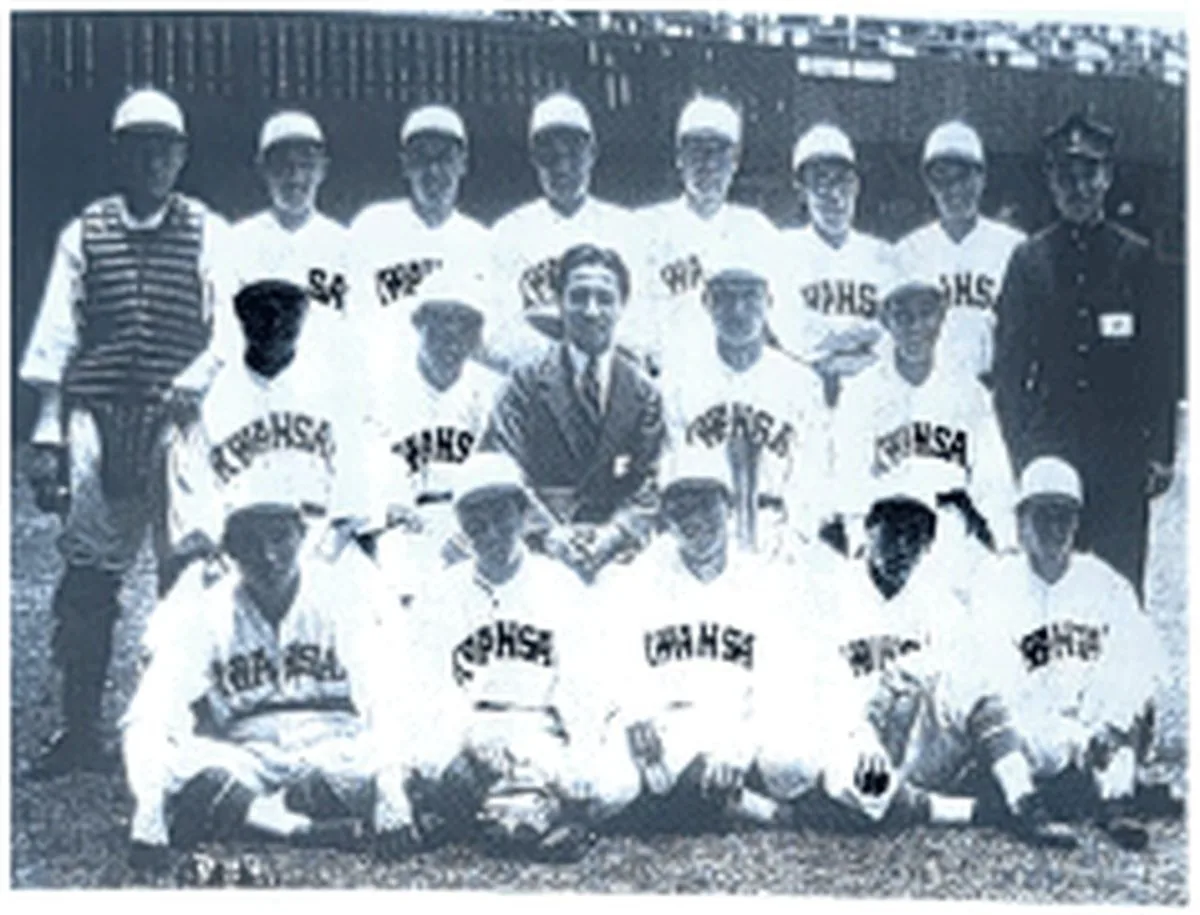
The ace of the Tigers
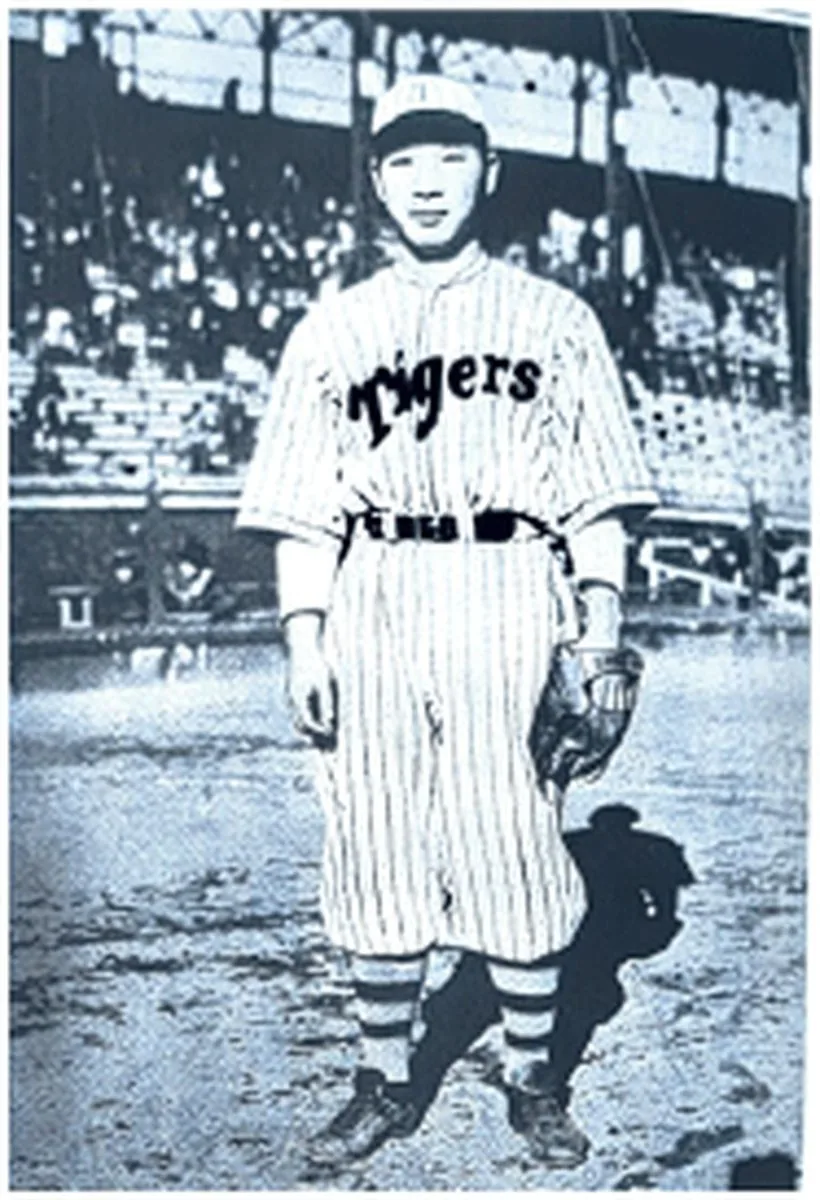
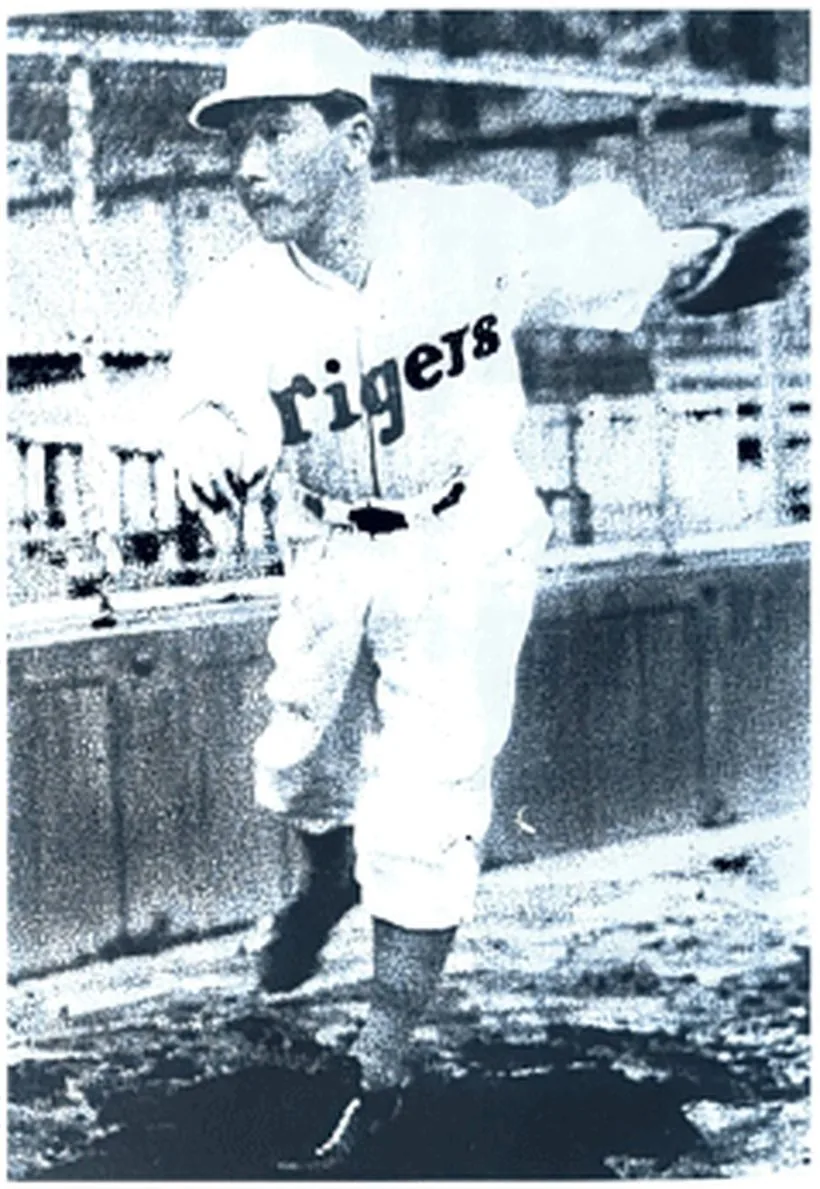
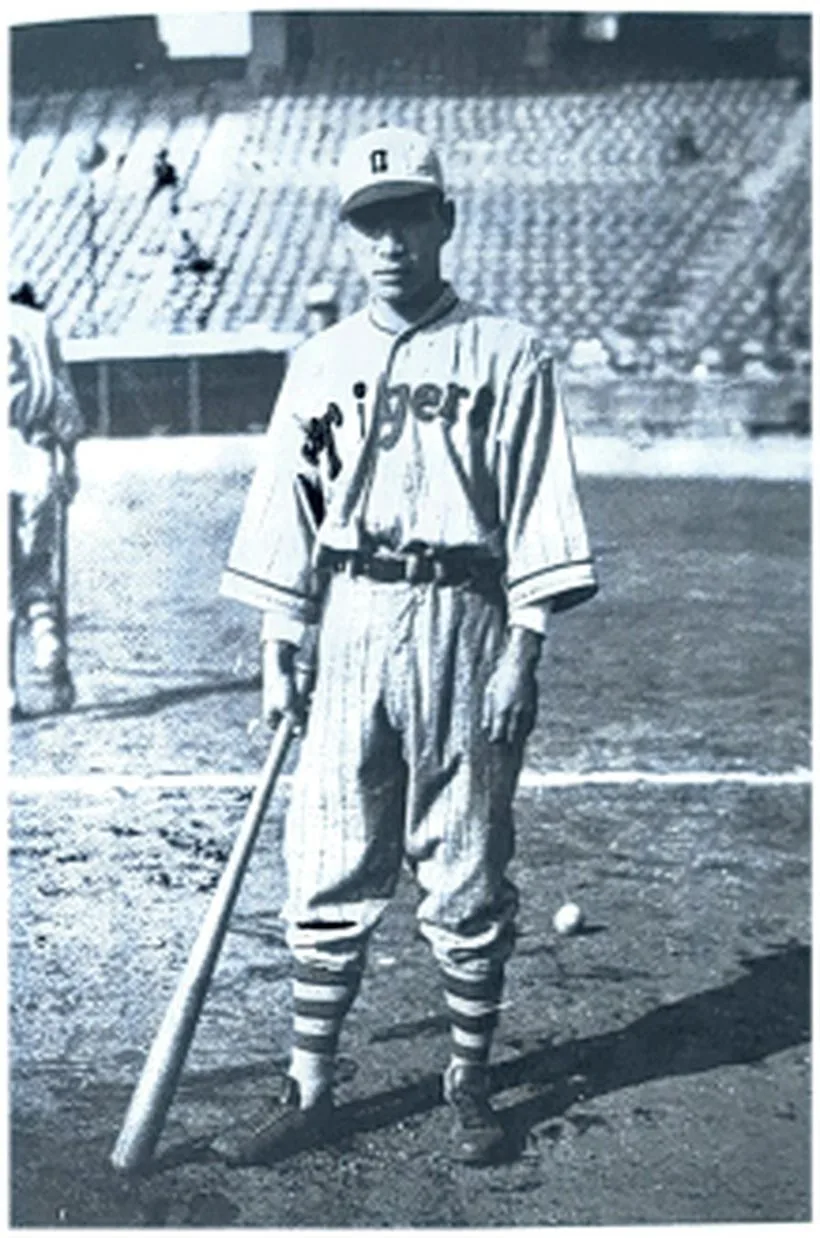
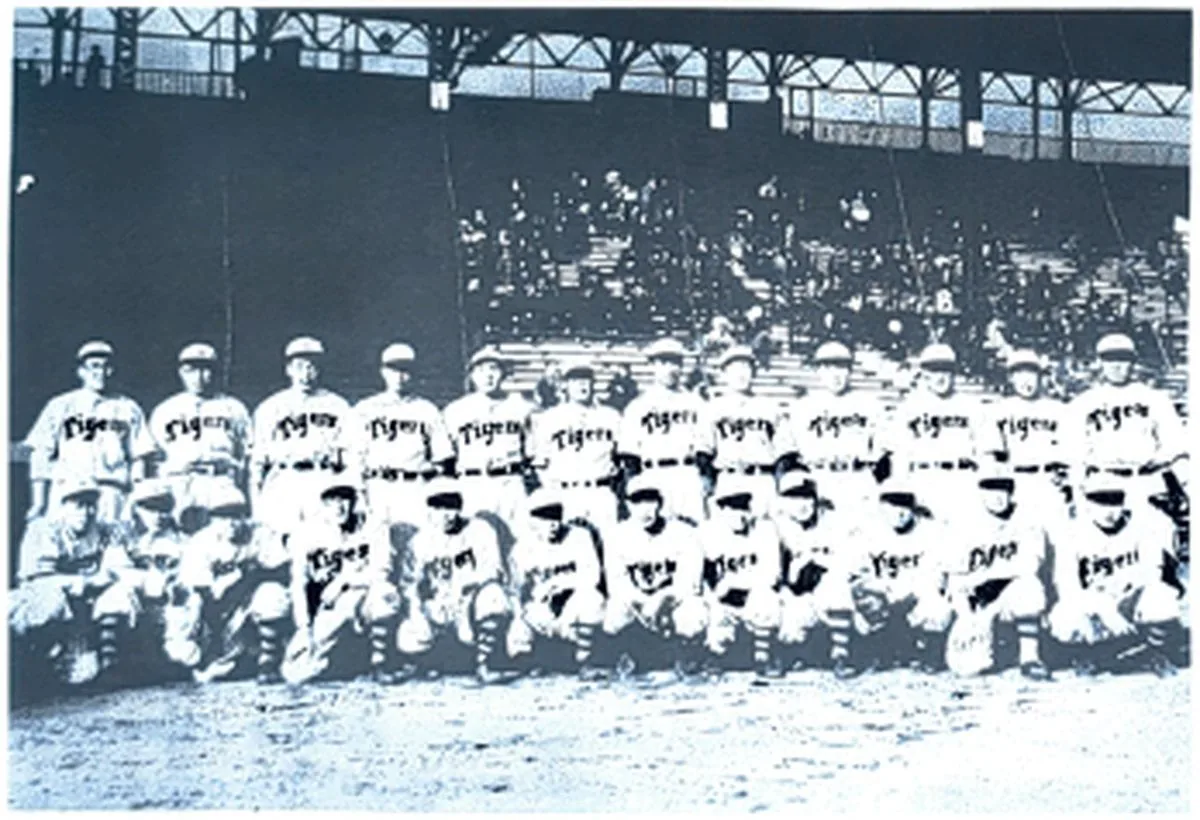
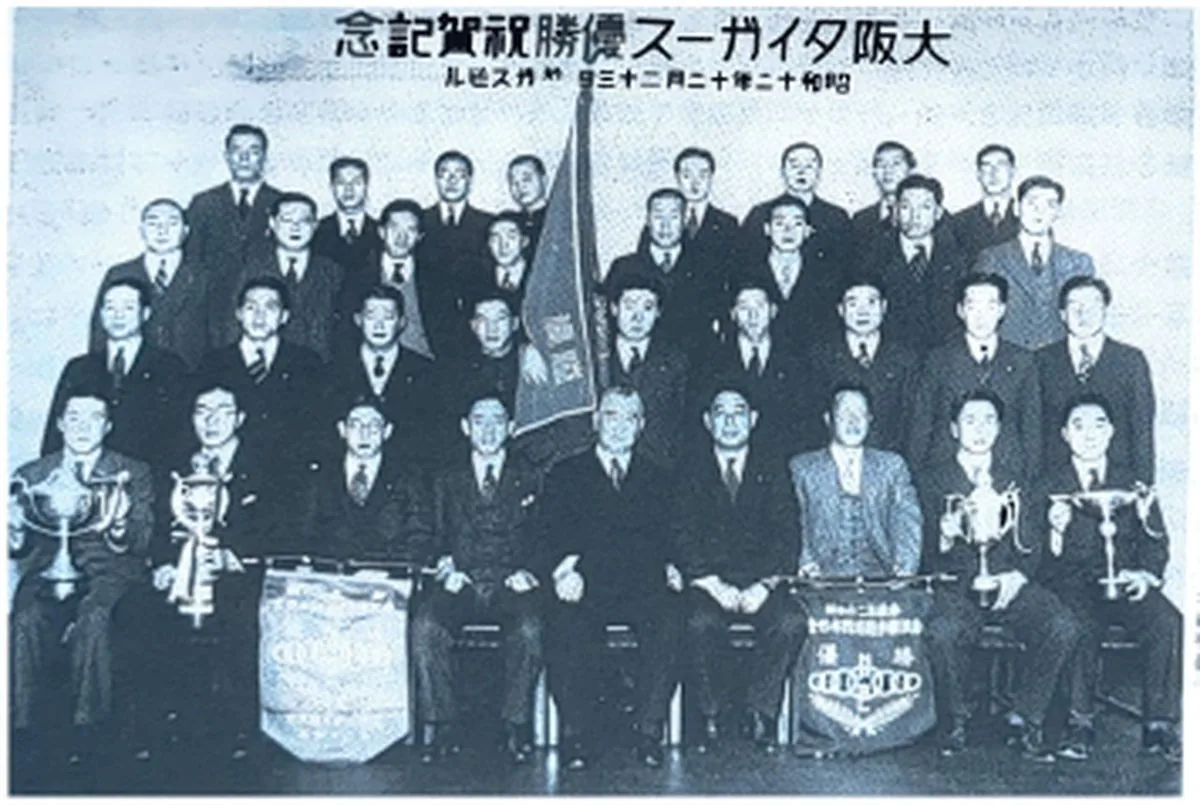
A wedding in Ise, and a family
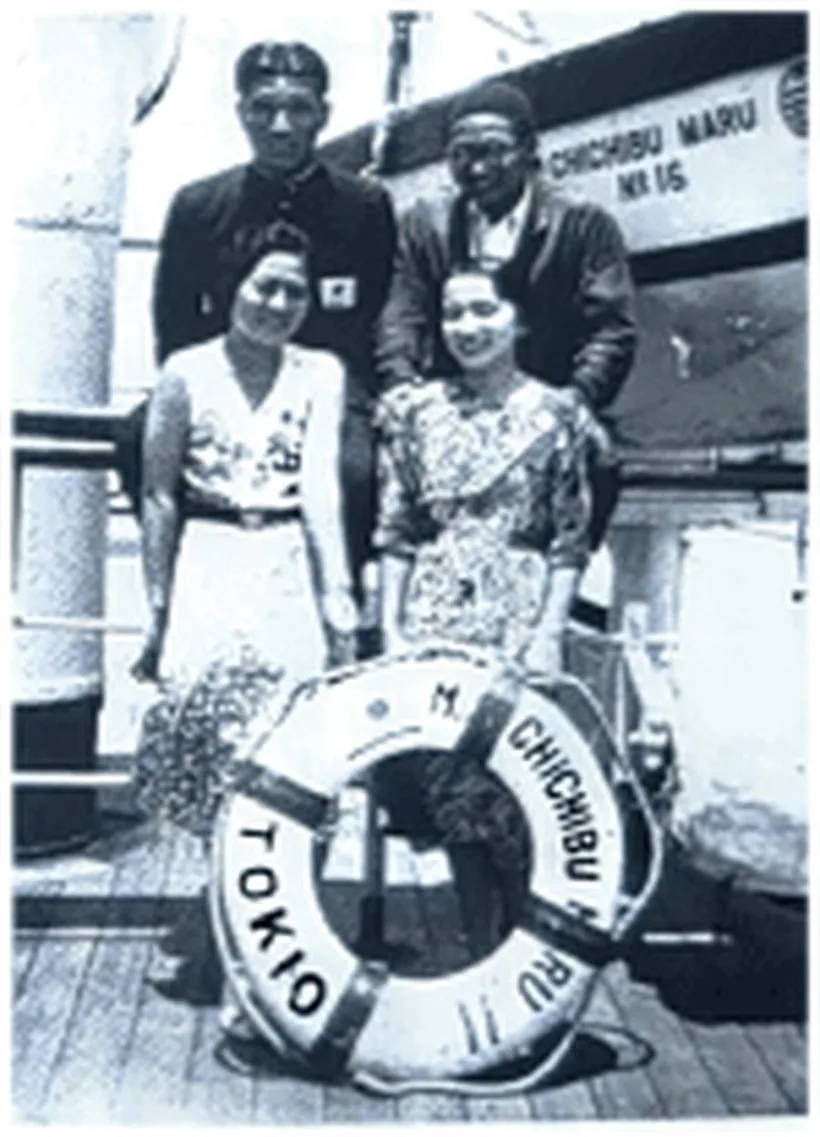
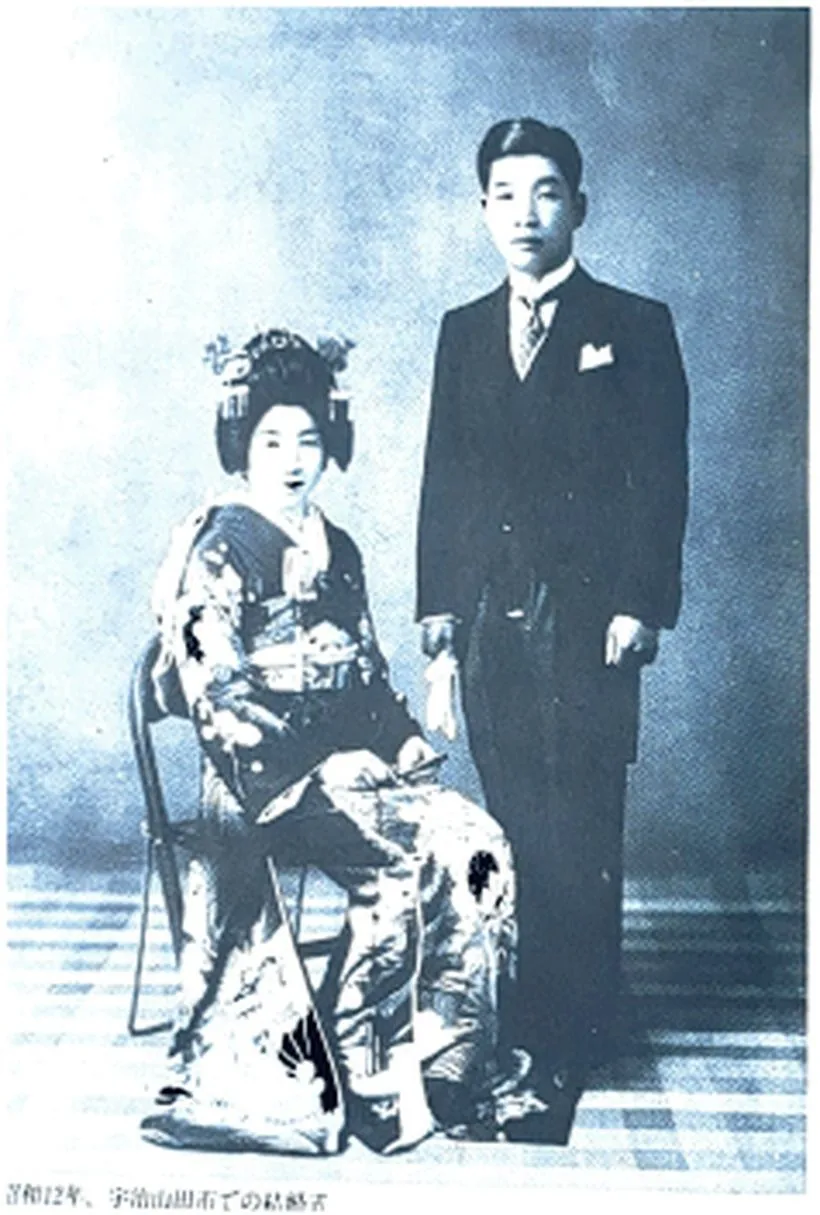
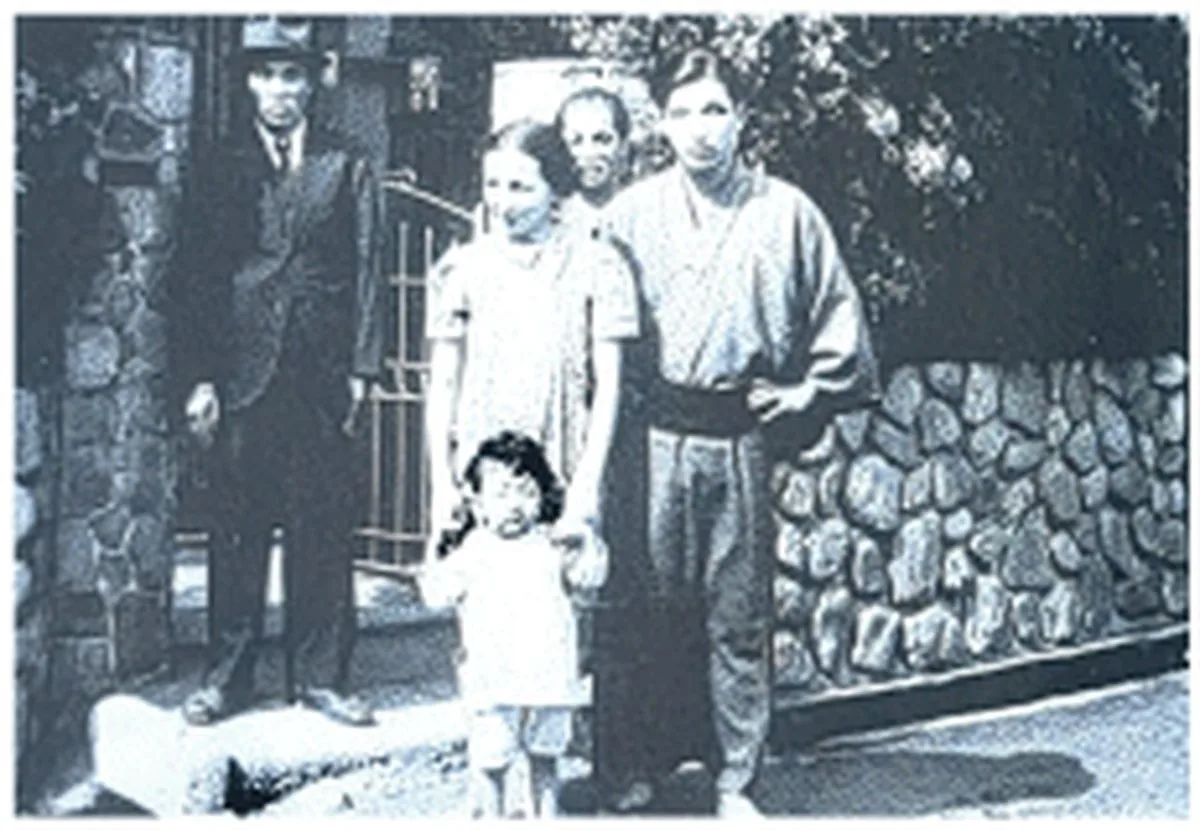
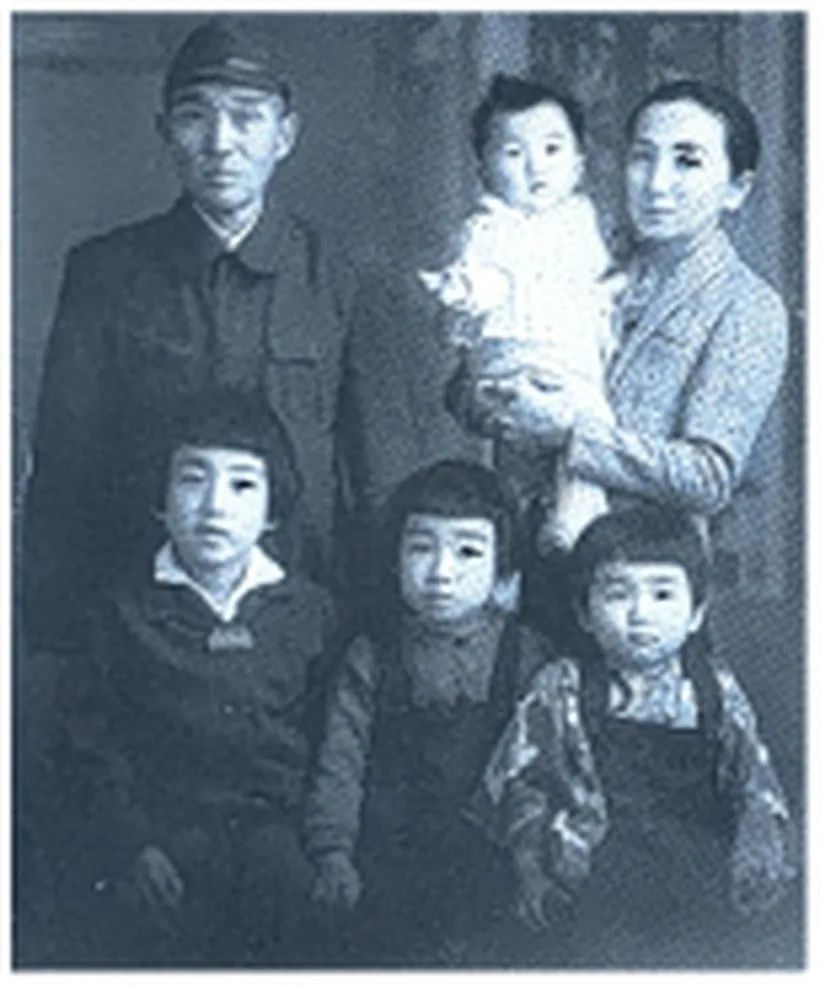
The family after him, and the name kept in Ise
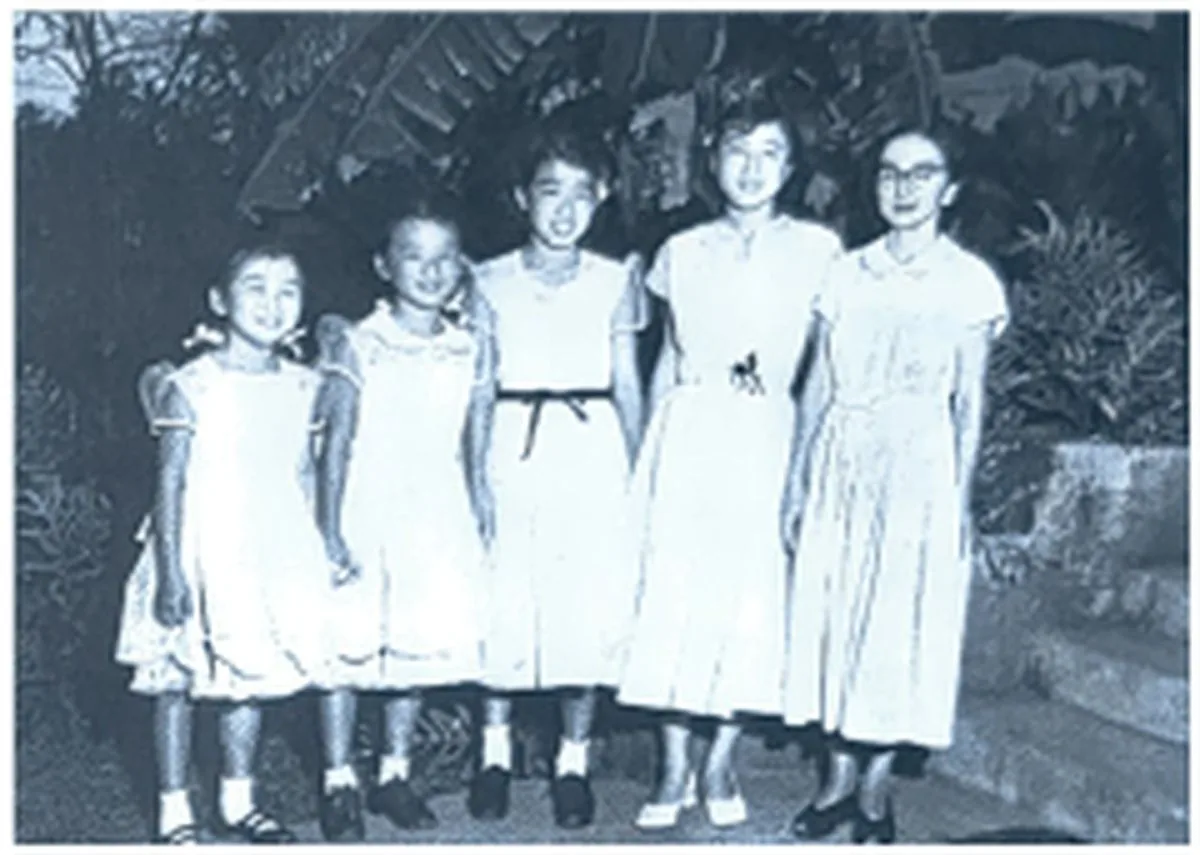
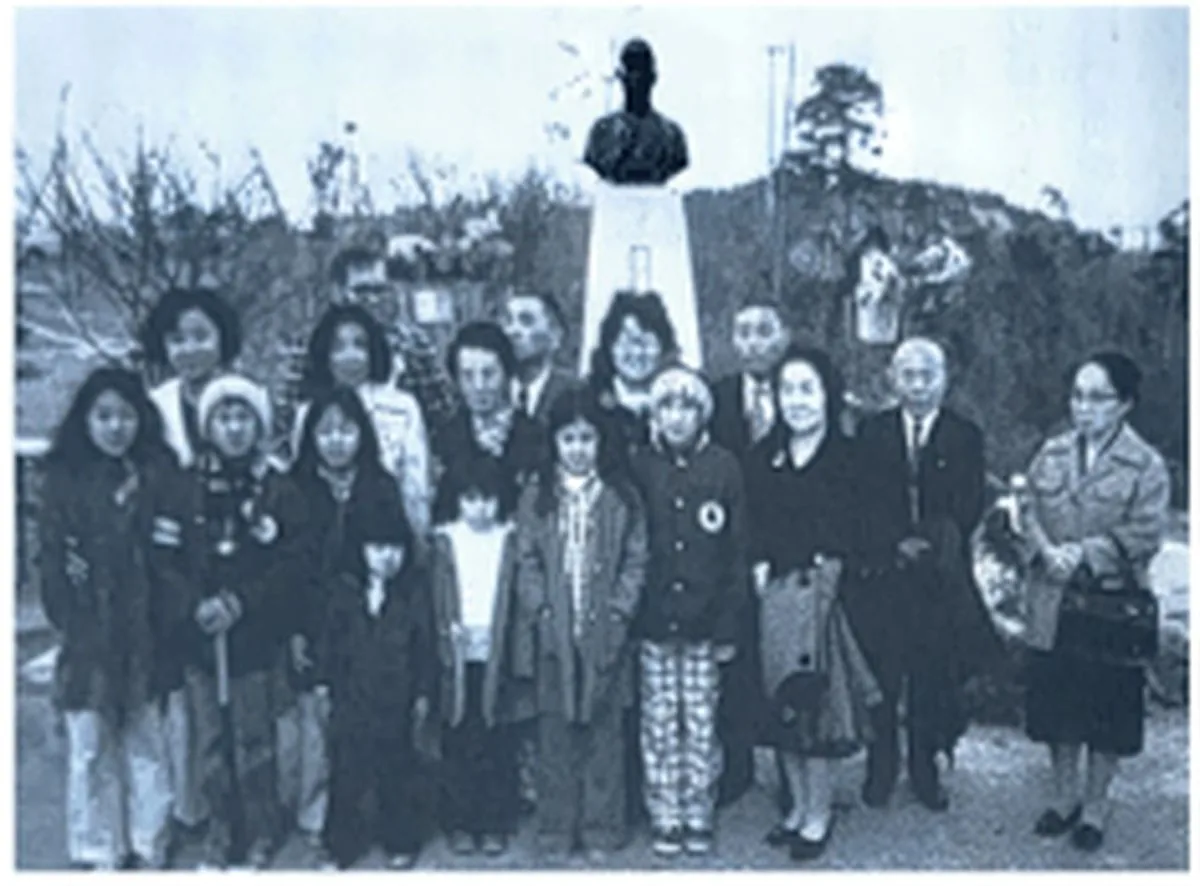
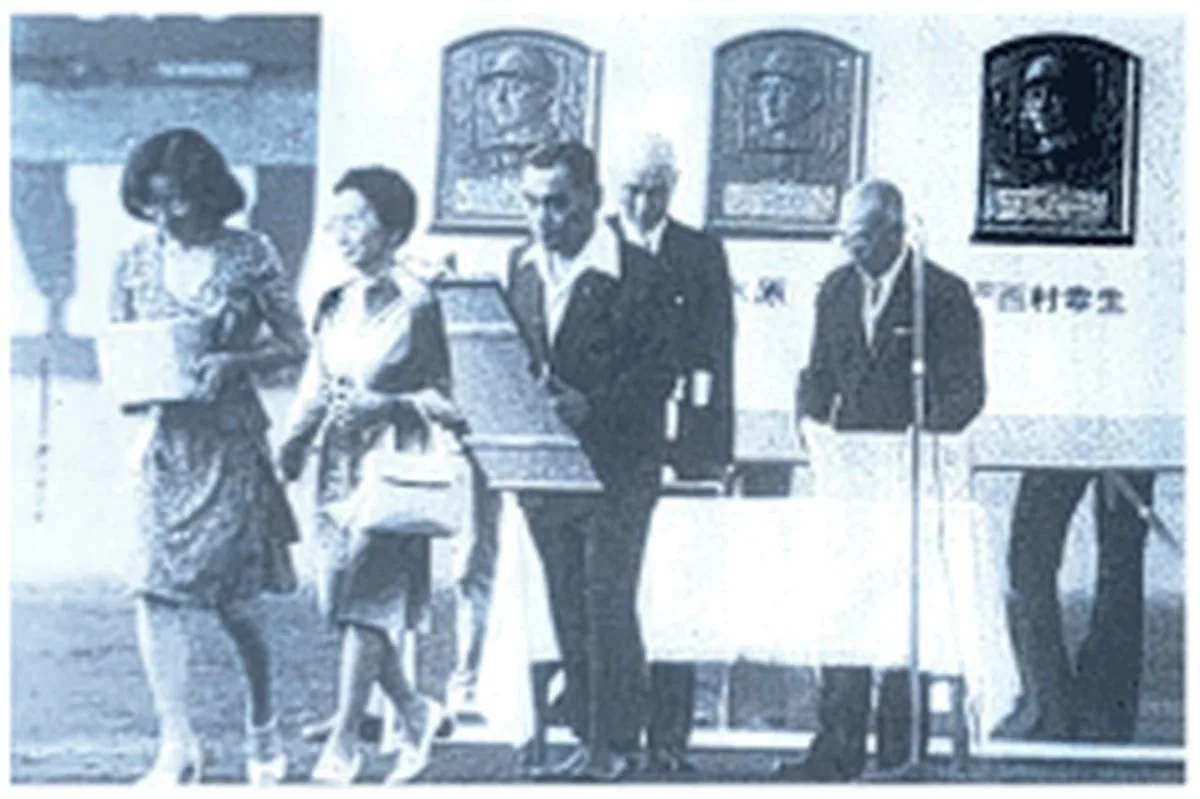
All of these photographs have been kept by the Nishimura family. Two of them still hang on the wall here.
Where the rivalry began
Tigers against Giants is still called the oldest rivalry in Japanese baseball — the longest-running opposition in the professional game here.
It began in 1937 and 1938. The Giants had Eiji Sawamura; the Tigers had Yukio Nishimura. The years those two faced each other are the origin of a rivalry still argued over today.
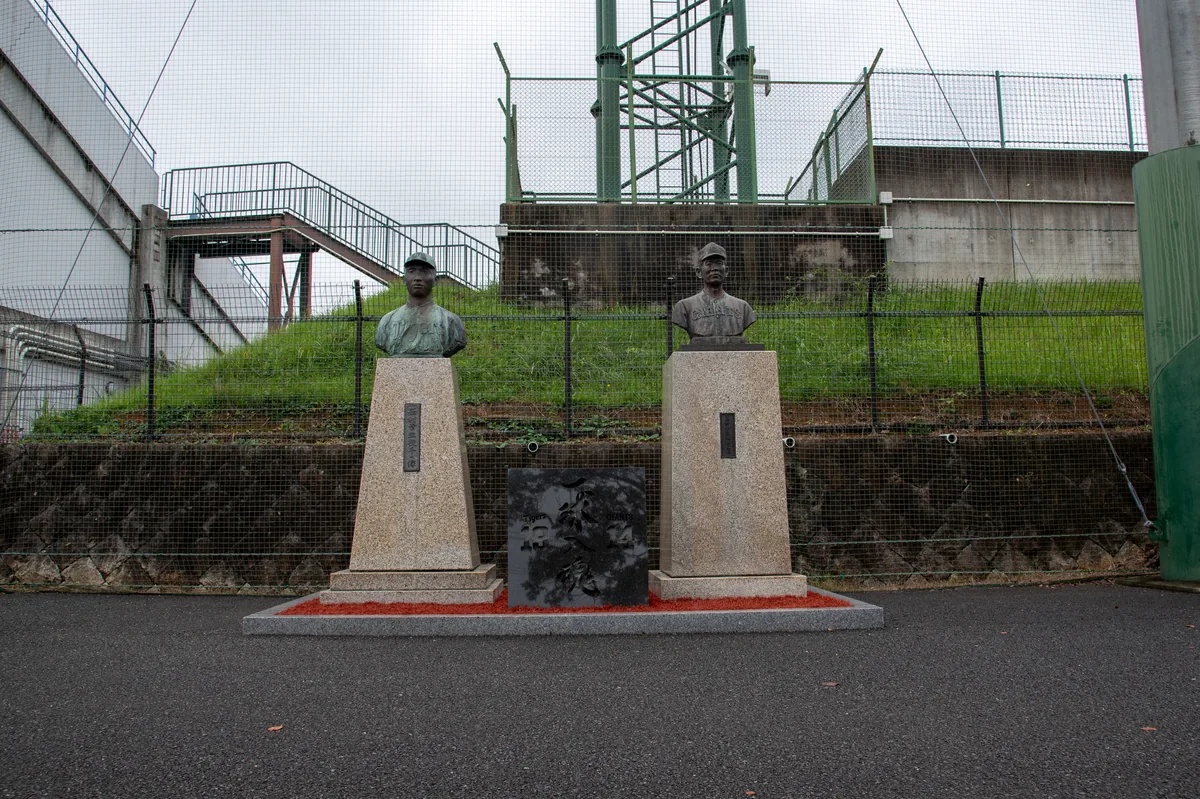
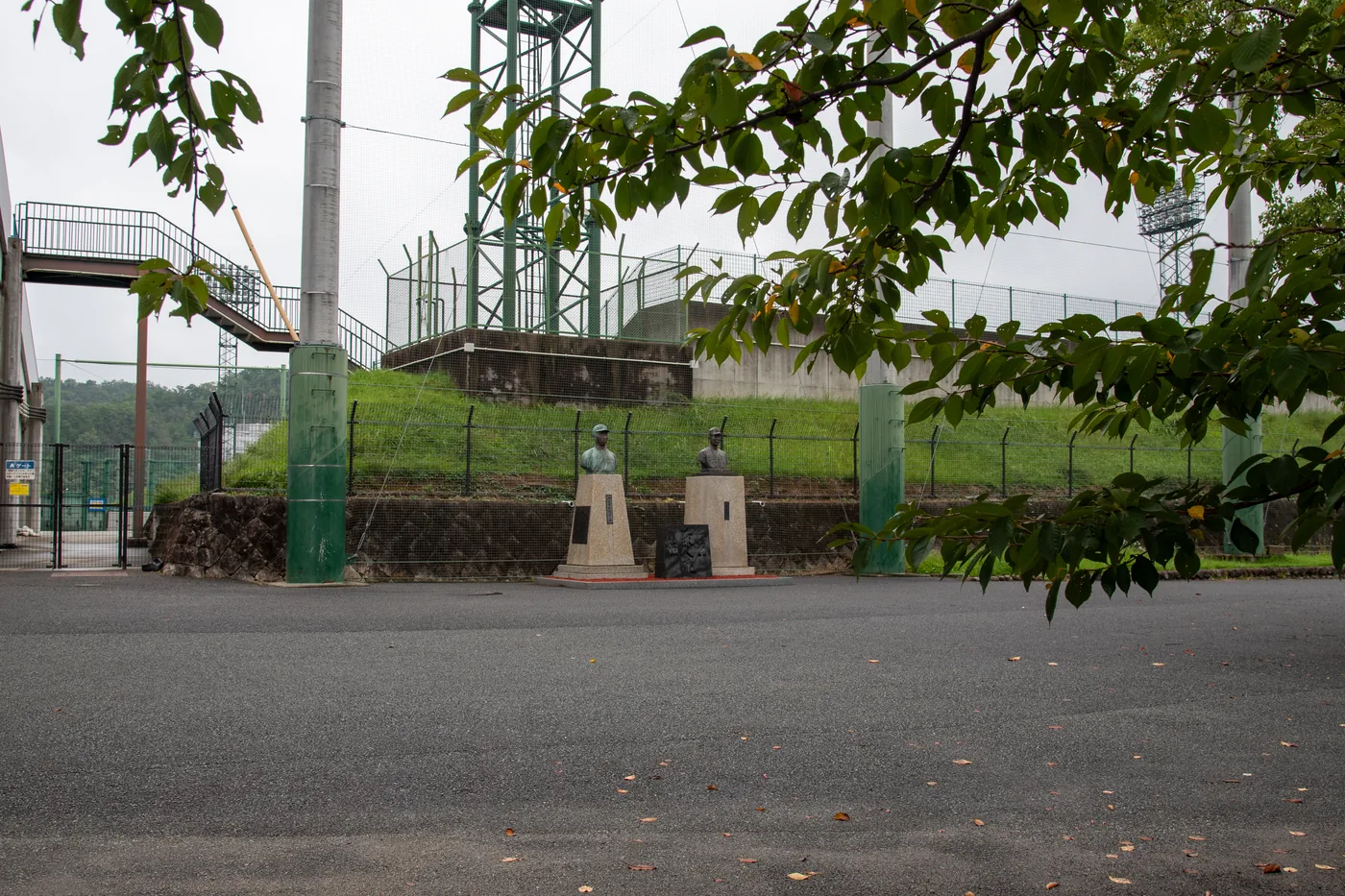
At Kuratayama Stadium in Ise, statues of both pitchers stand side by side. One of them grew up in this shop.
The memorial game of 1949
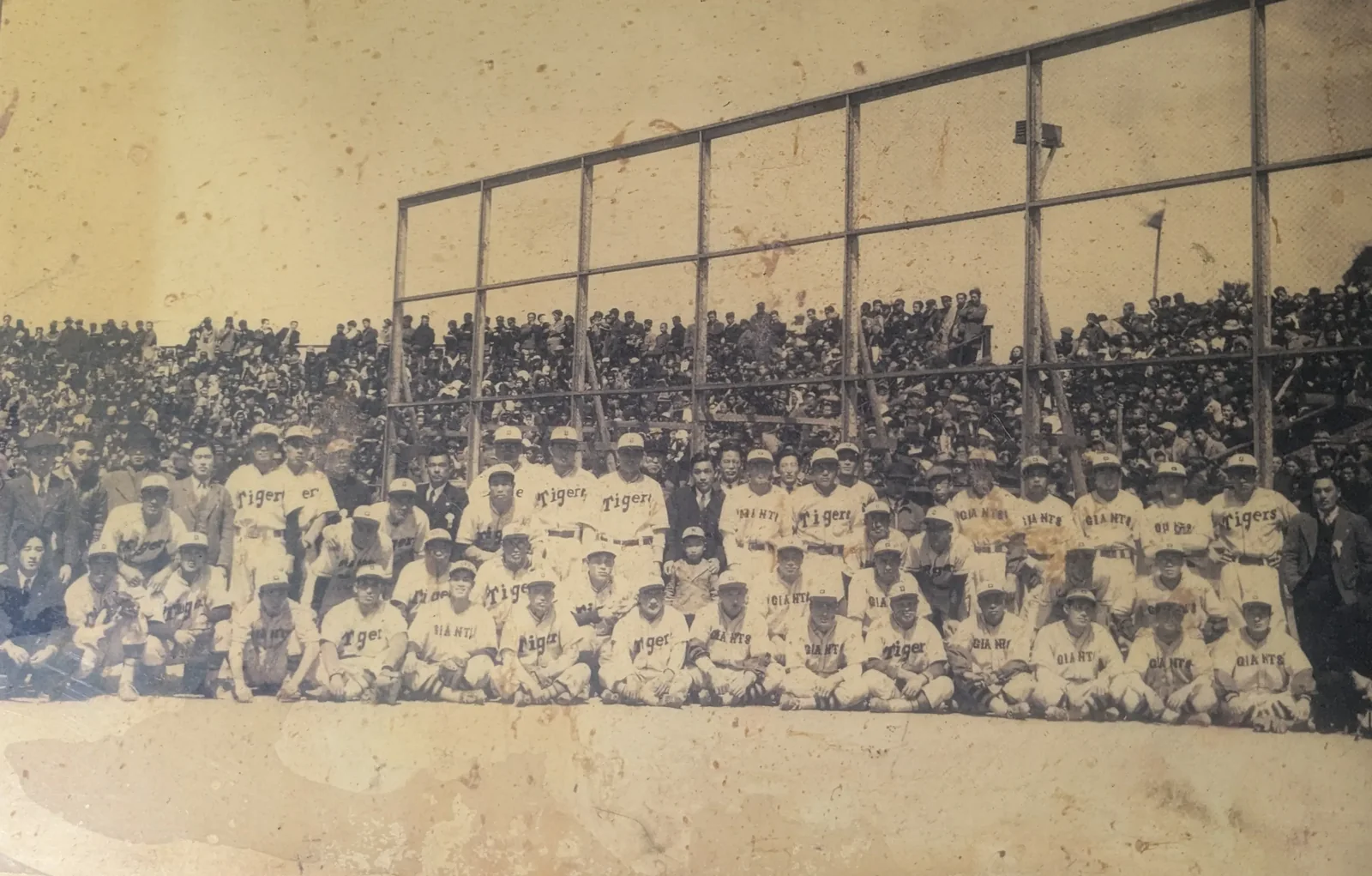
On 30 March 1949, four years after the two men died overseas, the Giants and the Osaka Tigers played an exhibition game at Yamada Stadium, here in their home town — a memorial game for Eiji Sawamura and Yukio Nishimura.
Tetsuharu Kawakami, Noboru Aota and Hideo Fujimoto came with the Giants; Fumio Fujimura, Kaoru Betto and Takeshi Doigaki with the Tigers. With both sides assembled, a photograph was taken before the first pitch.
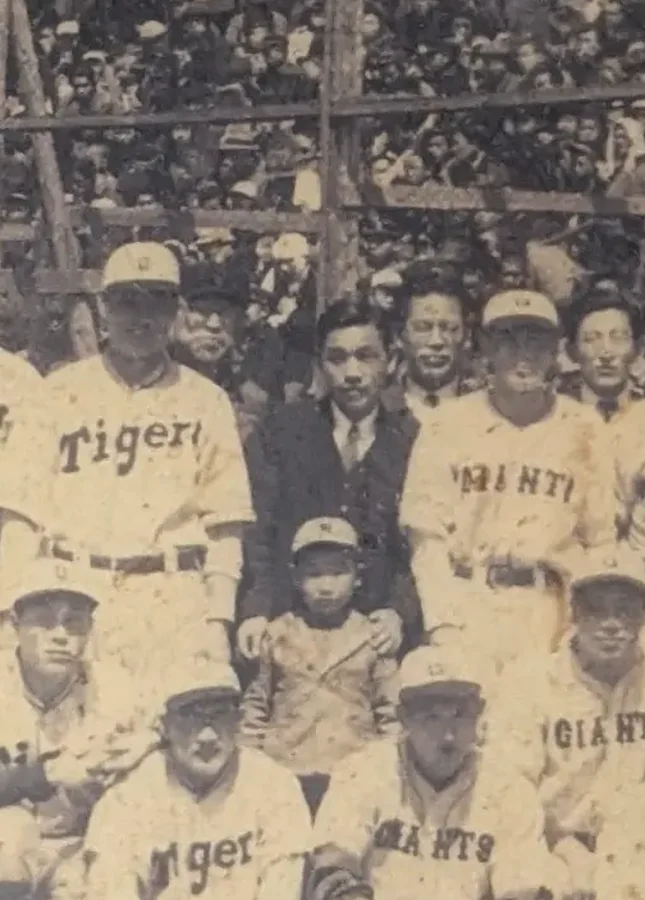
The child in the middle
A small boy in a cap stands at the centre of that photograph: Takaaki, then six years old, the son of Nishimura's younger brother — and the third-generation owner grilling eel in this kitchen today.
He remembers almost nothing of the day. Looking at the photograph years later, he was startled to find Tetsuharu Kawakami standing directly behind him.
The same mound, 65 years on
On 10 March 2014, to mark eighty years of the Giants–Tigers rivalry, the two clubs met in an exhibition game at Kuratayama Park Stadium in Ise. It was the first time they had played here since the memorial game of 1949 — a gap of 65 years.
That day every Giants player wore 14, Sawamura's retired number, and every Tigers player wore Nishimura's 19. Close to nine thousand people filled the newly refurbished ground.
The ceremonial first pitch was thrown by Mio Sakai, Sawamura's eldest daughter, and Takaaki Nishimura, Yukio's nephew — the six-year-old who had stood in front of Kawakami in the photograph 65 years earlier.
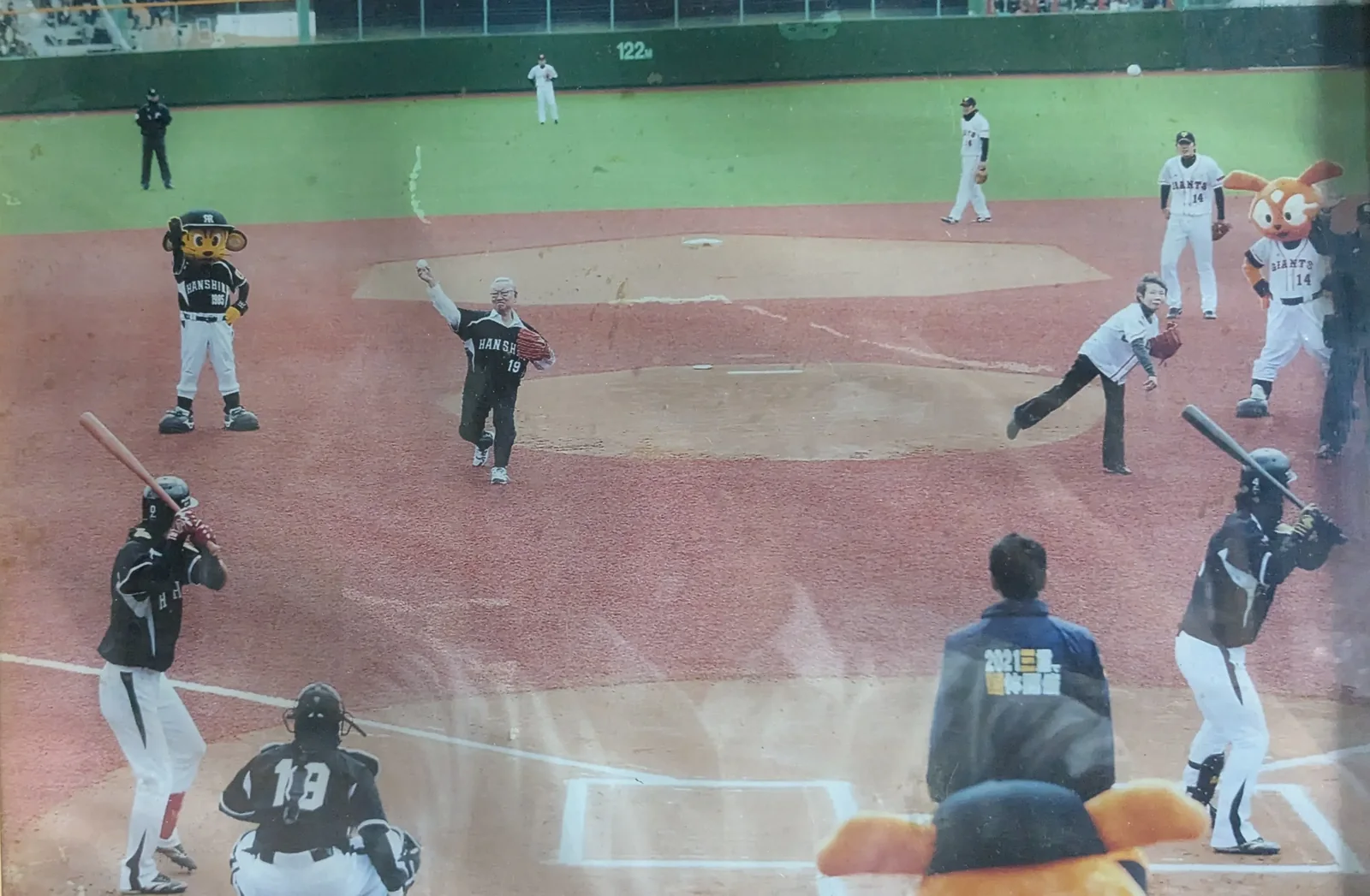
Sawamura and Nishimura last faced each other on the mound at Nishinomiya on 25 September 1937. Seventy-seven years later, someone of each family stood on the same mound.
What you can see here
Tigers memorabilia still hangs on the walls — a uniform, photographs from the period, mementoes. Visitors sometimes wonder why an eel restaurant is full of baseball. Because this was his family home.
We hope you will notice them when you visit. Ask us, if there is a quiet moment.
A fuller record
A separate site gathers what is known about him: a chronology, his pitching record, the games against Sawamura, and the accounts left by people who watched him. It is in Japanese.
As his family home, we have contributed photographs and family recollections to it.
Last updated: September 28, 2026